


6 May 2026
29 April 2026
The CRCM is recruiting a Group Leader to establish a new research team within the Department of Onco-Hematology and Immuno-Oncology
10 April 2026
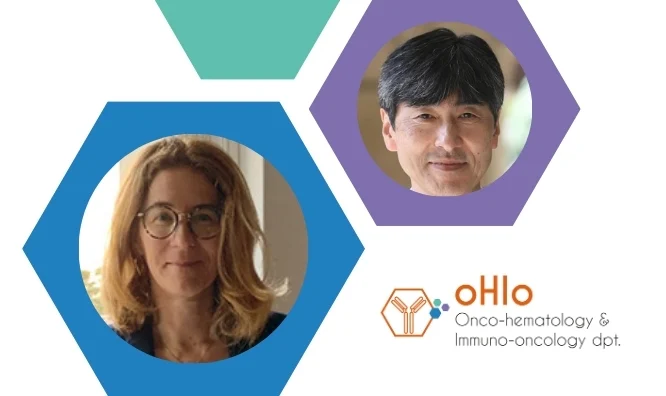
Our research is funded by INCA and the Japanese company ASPIRE as part of a Franco-Japanese collaborative program aimed at improving our understanding of the mechanisms underlying the dysregulation of the EZH2 enzyme in leukemia. Our goal is to shed light on the regulatory mechanisms of EZH2’s oncogenic activity, which could serve as a therapeutic target.
31 March 2026

CRCM offers 31 PhD projects covering a wide range of topics in cancer research. These projects are proposed within the doctoral schools ED658 and ED659 and are accessible through their competitive selection process.
6 February 2026
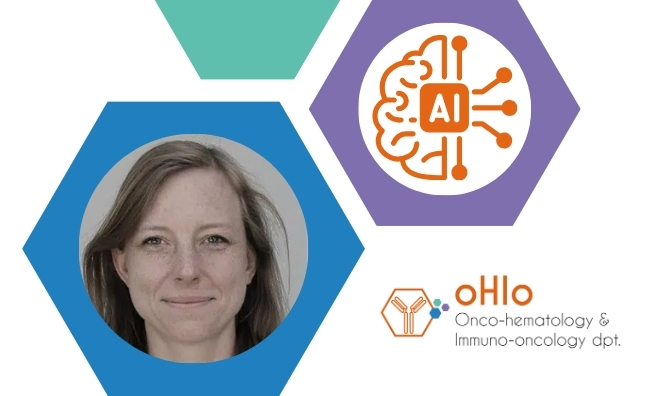
The work of Anne-Sophie Chrétien highlighted by La Provence.
28 October 2025

Jean-Paul Borg discusses the advances made by teams in Marseille in the fields of molecular medicine, immunotherapy and targeted therapies.
24 September 2025
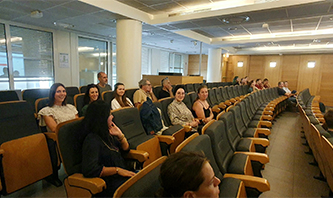
Nearly 45 participants from the OHIO department gathered for a morning of fun and conviviality.
24 September 2025
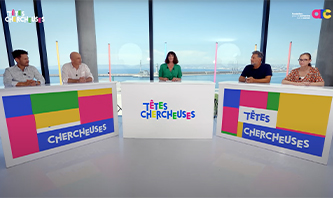
Anne-Sophie Chrétien, Frédéric Bard and Brice Chanez - all three recipients of specific "Pancreatic Cancer" funding from the ARC Foundation -.
20 February 2025

The team has just received pre-maturation funding from Cancéropôle PACA for its project to validate a biomarker predictive of the eligibility of patients with acute myeloid leukemia (AML) for treatment with menin inhibitors.
28 January 2025

Published in Cellular and Molecular Gastroenterology and Hepatology, the De Sepulveda team's study demonstrates that the MAN2A1-FER oncoprotein, present in several cancers, lacks kinase activity, calling into question the efficacy of tyrosine kinase inhibitors as a therapeutic strategy.
28 January 2025

The new ANR-funded project will explore the non-canonical roles of CDK6 and pave the way for innovative leukemia treatments using advanced models and drug repositioning strategies.
28 January 2025

Published in ACS Nano, the study deciphers the impact of biophysical parameters and individual immune response on the efficacy of immune cell engagers, paving the way for optimizing their design in immunotherapy.