

Team Leader

Arthur Sterin
Hospital Researcher-Practitioner
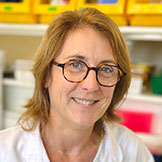
Claire Acquaviva
Researcher

Gilles Audoly
Engineer

Hagay Sobol
Hospital Researcher-Practitioner

Jean-Hugues Guervilly
Researcher

Lara Lee
Engineer

Laura Braud
Post-doctoral researcher

Lea Girondier
Engineer

Pierre Luciano
Chercheur

Raphaël Leblanc
Researcher
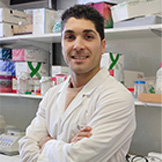
Román Martí Díaz
Postdoctoral researcher

Valentine Seveau De Noray
Engineer

Yosr Hicheri
Hospital Researcher-Practitioner
Our team brings together the expertise of biologists, clinicians and chemists to develop new tools and improve our understanding of DNA repair mechanisms, particularly in the context of diagnosing and treating blood disorders.
Our team conducts multidisciplinary research aimed at deciphering the fundamental mechanisms involved in genome stability and the response to DNA damage, with particular emphasis on their implications in oncology and hematology. Through innovative approaches combining molecular biology, biochemistry and chemistry, we explore DNA repair processes, in particular the Fanconi anemia/BRCA pathway, and mechanisms of resistance to chemotherapeutic agents. We also analyze the role of UFMylation, a post-translational modification, in maintaining genomic integrity. We are also studying the interactions between medullary adipose tissue and hematopoietic cells in normal and pathological contexts.
In addition to these fundamental aspects, our research has a translational perspective, with the aim of transferring our discoveries to clinical applications. Thanks to our collaborations with chemists, clinicians and bioinformaticians, we are developing innovative diagnostic tools and exploring new targeted therapeutic approaches. The aim of our work is to improve the management of patients suffering from hematological and cancerous diseases by proposing more effective and better-tolerated strategies. Among other things, we are developing messenger RNA-based therapeutic strategies to correct hematopoietic dysfunctions in congenital anemias.

The projects
DNA interstrand bridges (ICL) are particularly toxic lesions which covalently link the two DNA strands, blocking the essential cellular processes of DNA replication and transcription.
As ICL particularly affects dividing cells, many ICL-inducing drugs (cisplatin, melphalan, psoralens) are used in chemotherapy. However, excessive exposure to ICL increases the risk of developing treatment-related secondary leukemias .
On the other hand, an intrinsic defect in ICL repair characterizes patients with Fanconi disease, a rare genetic syndrome combining bone marrow aplasia and a predisposition to cancer.
It is in these different contexts that we aim to better understand ICL repair mechanisms and how repair defects lead to pathologies .
Our strategy is based on new molecules synthesized to detect lesions in cells and monitor their repair. In collaboration with chemists, our team has developed a detectable version of melphalan, an alkylating agent that induces ICL.
We have characterized this molecule, click-melphalan, which constitutes a new tool for analyzing ICL repair, but also for facilitating the diagnosis of Fanconi disease and other DNA repair defects.
Our research focuses on the development of various applications for click-melphalan and other new molecules.
Breast cancer is the most common malignancy in women worldwide, accounting for around 25% of all new cases of cancer in women.
Despite this high incidence, the mortality rate is relatively low (15%), mainly due to early diagnosis and the increasing use of adjuvant therapy.
Adjuvant chemotherapy for breast cancer includes the incorporation of taxol (paclitaxel and docetaxel) into anthracycline- and alkylating agent-based treatments. These strategies have considerably improved survival rates, but have also increased the number of treatment-related cases of acute myeloid leukemia (AML) and myelodysplastic syndromes (MDS).
Treatment-related leukemia (T-ALL) refers to leukemia developed after exposure to cytotoxic agents. Against this backdrop, there is an urgent need to develop more precise strategies to improve the efficacy of adjuvant chemotherapy while reducing drug concentration and the frequency of T-AML.
We are currently characterizing the role of the FAN1 protein in the resistance of breast cancer to chemotherapy.
UFMylation is a post-translational modification by UFM1, a small protein belonging to the Ubiquitin family. Murine models have demonstrated its indispensable role in erythroid and nervous system development.
UFMylation is also essential for the survival of acute myeloid leukemia cell models. Although its major functions are involved inendoplasmic reticulum (ER) homeostasis and ER-associated translation, this pathway also plays a key role in maintaining genome stability.
Our team has shown that UFMylation of the DNA repair protein MRE11 is required for telomere integrity and that loss of the UFM1 pathway induces defective hematopoiesis and premature aging in zebrafish.
We are continuing our research to identify new substrates modified by UFM1 and better understand its role in the response to DNA damage and the maintenance of genome stability.
Aging and obesity are risk factors for the development of hematological malignancies such as acute myeloid leukemia (AML). Both factors are associated with adipocyte dysfunctions that lead to metabolic and cardiovascular pathologies.
Within the bone marrow, medullary adipose tissue (BMAT), made up of adipocytes and pre-adipocytes, accounts for 45-60% of total marrow volume and around 10% of total adipose tissue in adults.
Our team is exploring the interactions between BMAT and hematopoietic and leukemic cells to assess the role of BMAT in age- and obesity-related hematopoietic alterations and malignant transformation.
Anemia is a condition characterized by a lack of erythrocytes, affecting a quarter of the world's population. While most studies focus on iron-deficiency anemia, around 40-50% of anemias are not due to iron deficiency.
These anemias can be the main symptom of rare congenital diseases such as Diamond-Blackfan anemia, β-thalassemia or Fanconi anemia. They are a group of hereditary diseases affecting the bone marrow and resulting in dysfunctional erythrocyte production.
Inherited hemoglobin disorders are classified into two groups:
- Structural disorders of hemoglobin (e.g. sickle cell anemia)
- Disorders related to globin production (thalassemia)
Treatments vary according to the severity of the anemia: from small molecules stimulating red blood cell production, to blood transfusions and bone marrow transplants. However, these treatments are limited in effectiveness and can have serious side effects.
β-Thalassemia is an inherited blood disorder caused by abnormalities in hemoglobin β-chain synthesis. This leads to an accumulation of progenitor cells in the erythroid lineage and inefficient erythropoiesis.
In this context, the NANEMIAR project aims to test a formulation of lipid nanoparticles (LNPs) containing a patented mRNA-candidate, targeting bone marrow to improve dysfunctional erythropoiesis in β-thalassemia as well as other non-iron anemias.
This project will provide a proof of concept in a mouse model of β-thalassemia, which could eventually be applied to other congenital anemias.
Team news

featured publications
03/2024
Sanchez-Lopez I, Orantos-Aguilera Y, Pozo-Guisado E, Alvarez-Barrientos A, Lilla S, Zanivan S, Lachaud C, Martin-Romero FJ.
08/2023
Berrada S, Martínez-Balsalobre E, Larcher L, Azzoni V, Vasquez N, Da Costa M, Abel S, Audoly G, Lee L, Montersino C, Castellano R, Combes S, Gelot C, Ceccaldi R, Guervilly JH, Soulier J, Lachaud C.
07/2023
Martínez-Balsalobre E, Guervilly JH, van Asbeck-van der Wijst J, Pérez-Oliva AB, Lachaud C.
09/2021
Lee L, Perez Oliva AB, Martinez-Balsalobre E, Churikov D, Peter J, Rahmouni D, Audoly G, Azzoni V, Audebert S, Camoin L, Mulero V, Cayuela ML, Kulathu Y, Geli V, Lachaud C.
06/2017
Feeney L, Muñoz IM, Lachaud C, Toth R, Appleton PL, Schindler D, Rouse J
02/2016
Lachaud C, Moreno A, Marchesi F, Toth R, Blow JJ, Rouse J.


Labels, Funding and Partners

Like others, they were part of the team. Thank you to all those who have contributed to CRCM's excellence and impact.


